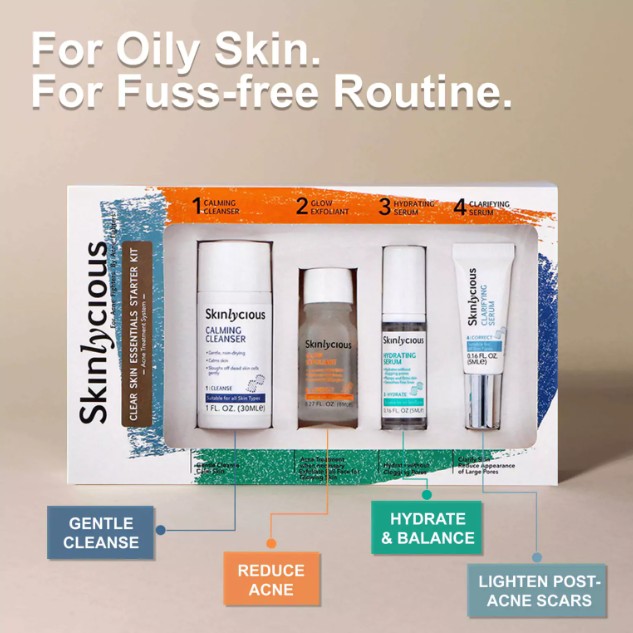
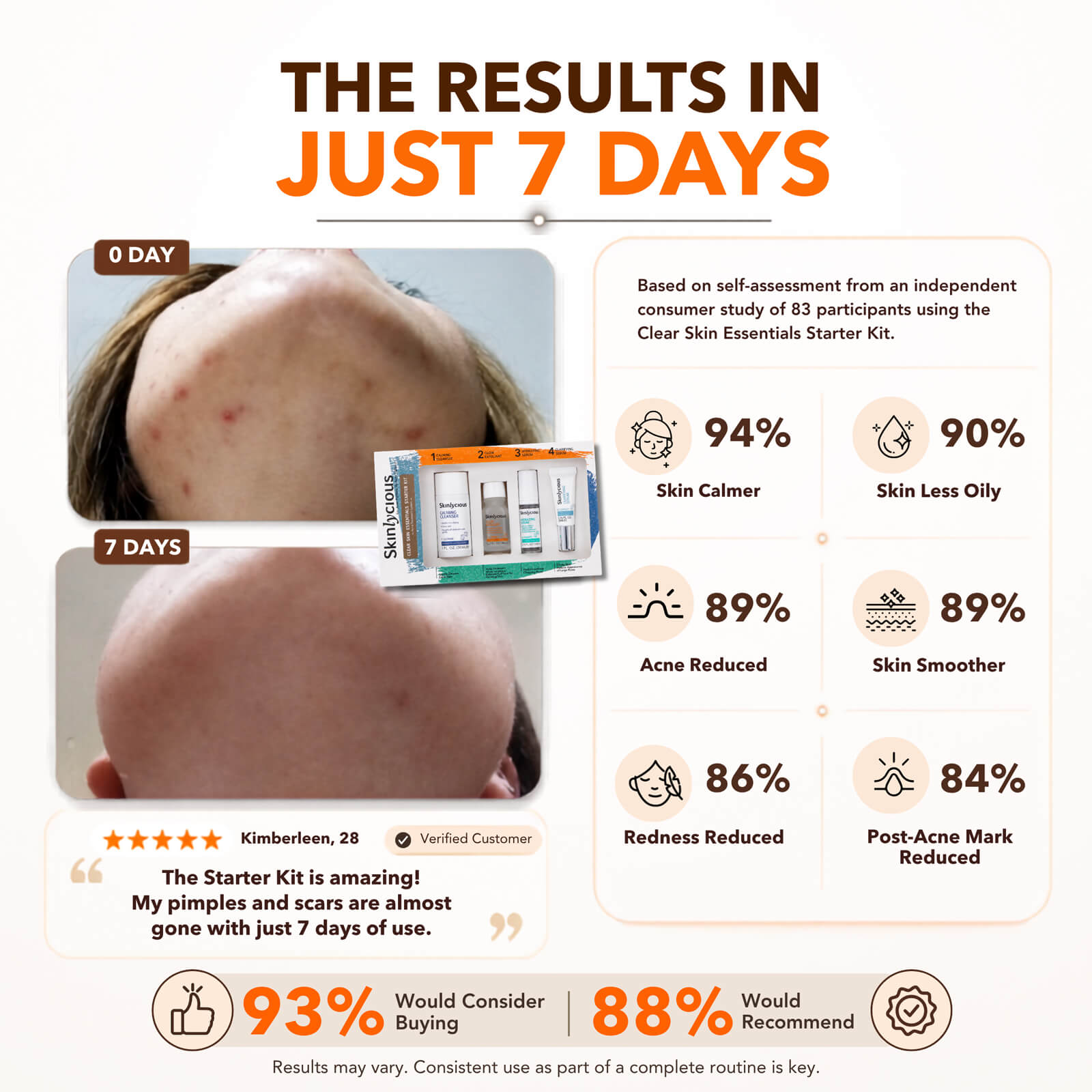
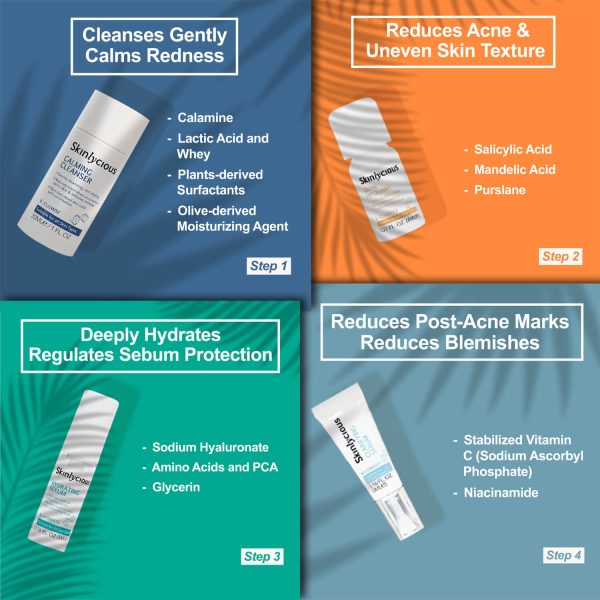
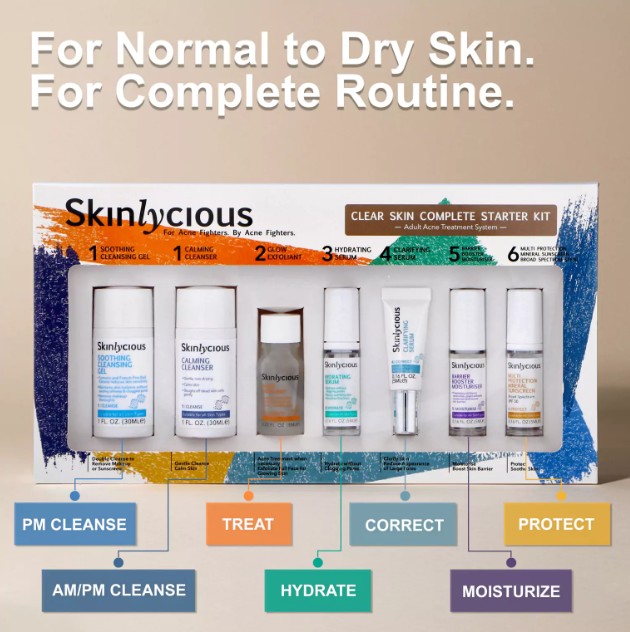
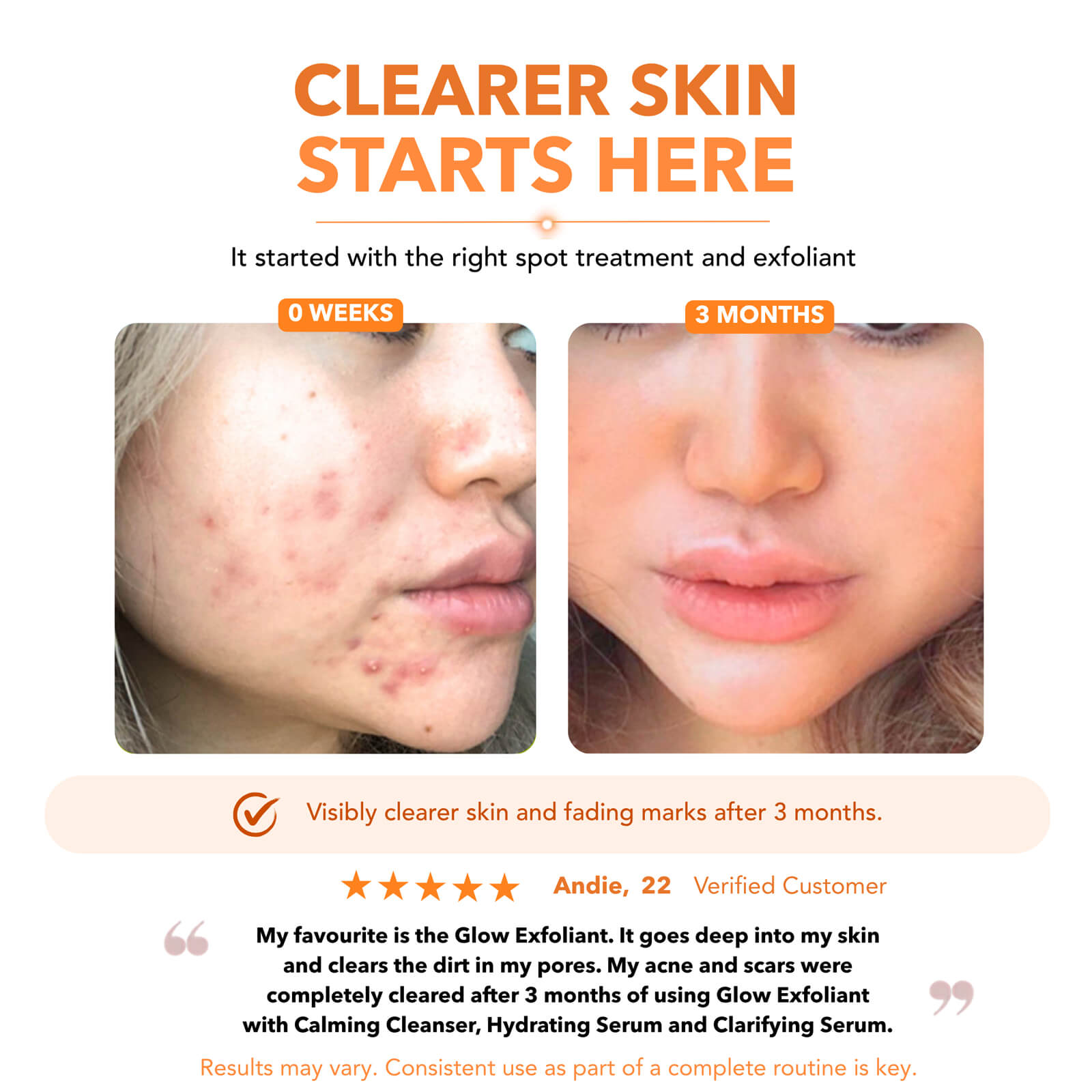
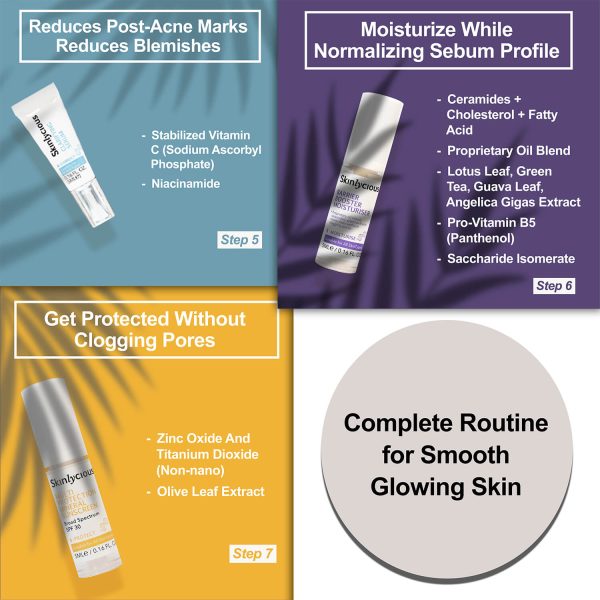
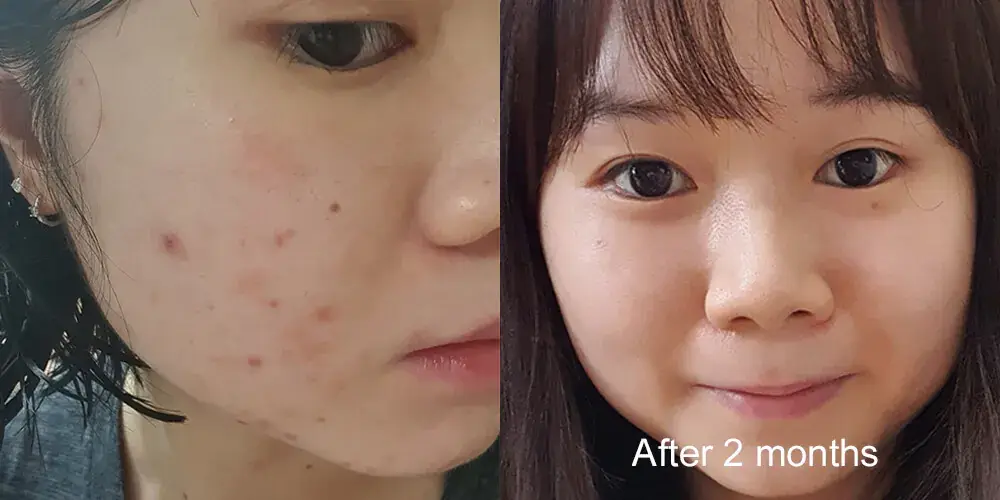
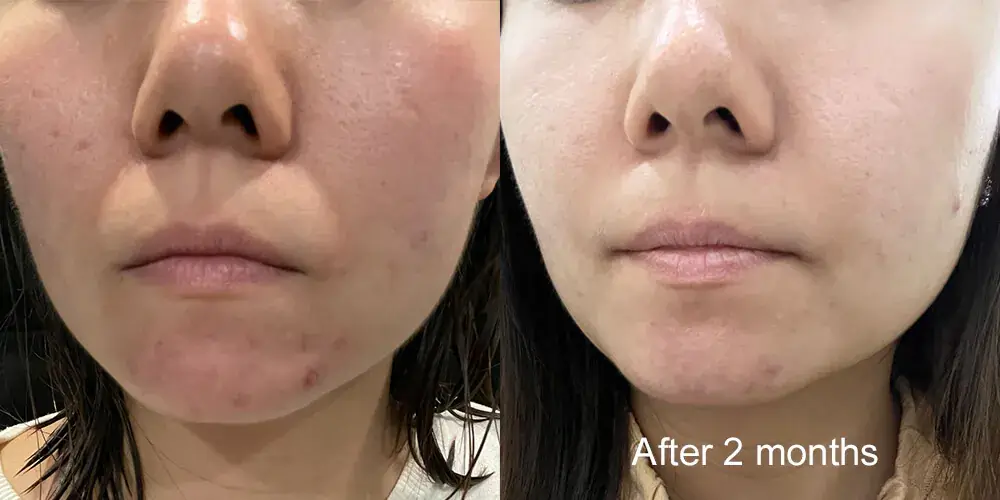
Most anti-acne actives are not safe during pregnancy. The Skinlycious range is almost entirely pregnancy-safe except for Glow Exfoliant with Salicylic Acid. Clarifying Serum handles both acne and melasma prevention safely.
What’s Happening During Pregnancy
Progesterone
Surges, triggering more oil
Oestrogen
Raises melasma risk
Safe Actives
Vitamin C + Niacinamide
Avoid
Salicylic Acid, Retinoids
What’s Safe During Pregnancy
All our products are safe to use throughout pregnancy with one exception
Avoid: Glow Exfoliant Contains 2% Salicylic Acid. While low concentrations are not definitively proven harmful, we recommend skipping it during pregnancy as a precaution. The Clarifying Serum is a gentle, effective alternative for blemishes and pigmentation.
Even without active breakouts, Clarifying Serum becomes essential during pregnancy for melasma prevention. Start before melasma appears, since prevention is far easier than correction. Vitamin C inhibits tyrosinase, the enzyme responsible for melanin overproduction.
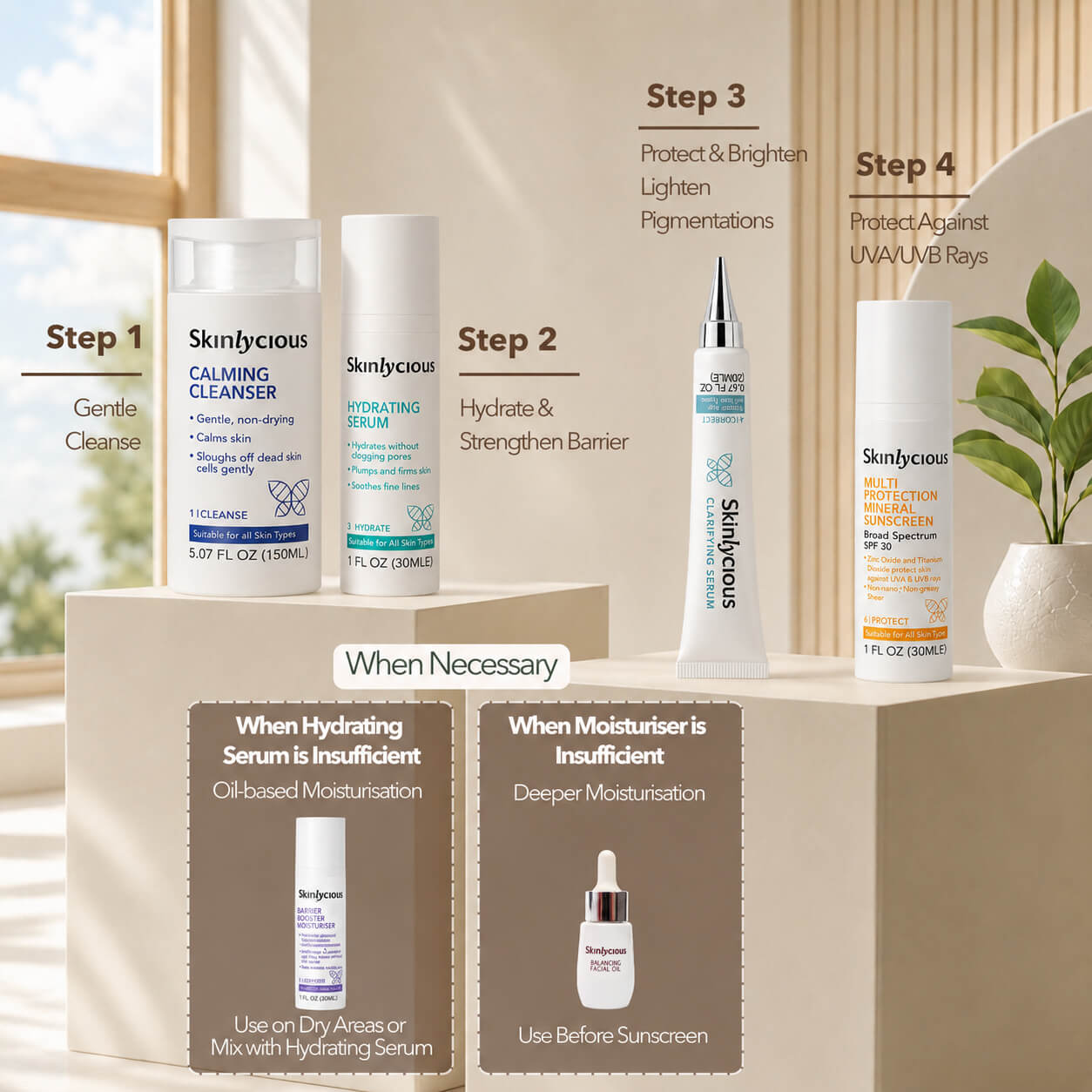
Morning Routine
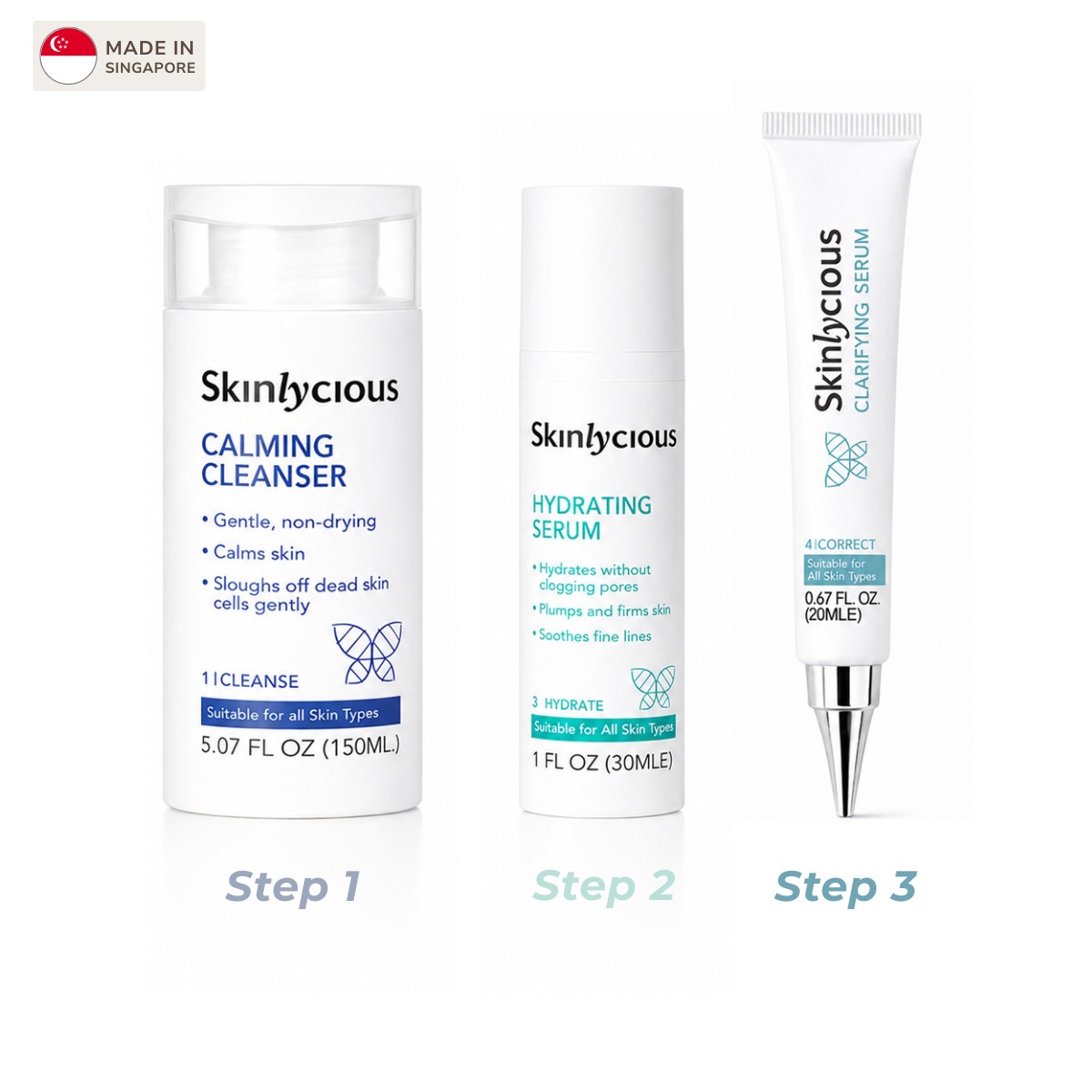
Calming Cleanser Gentle cleanse
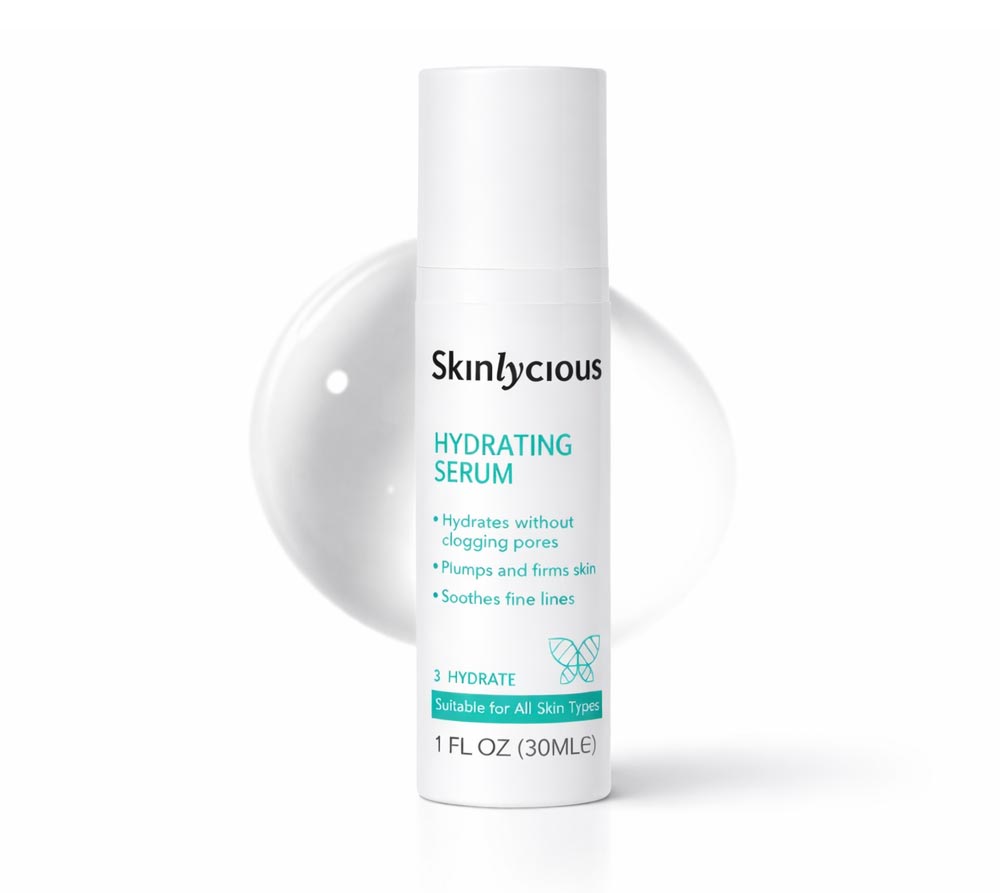
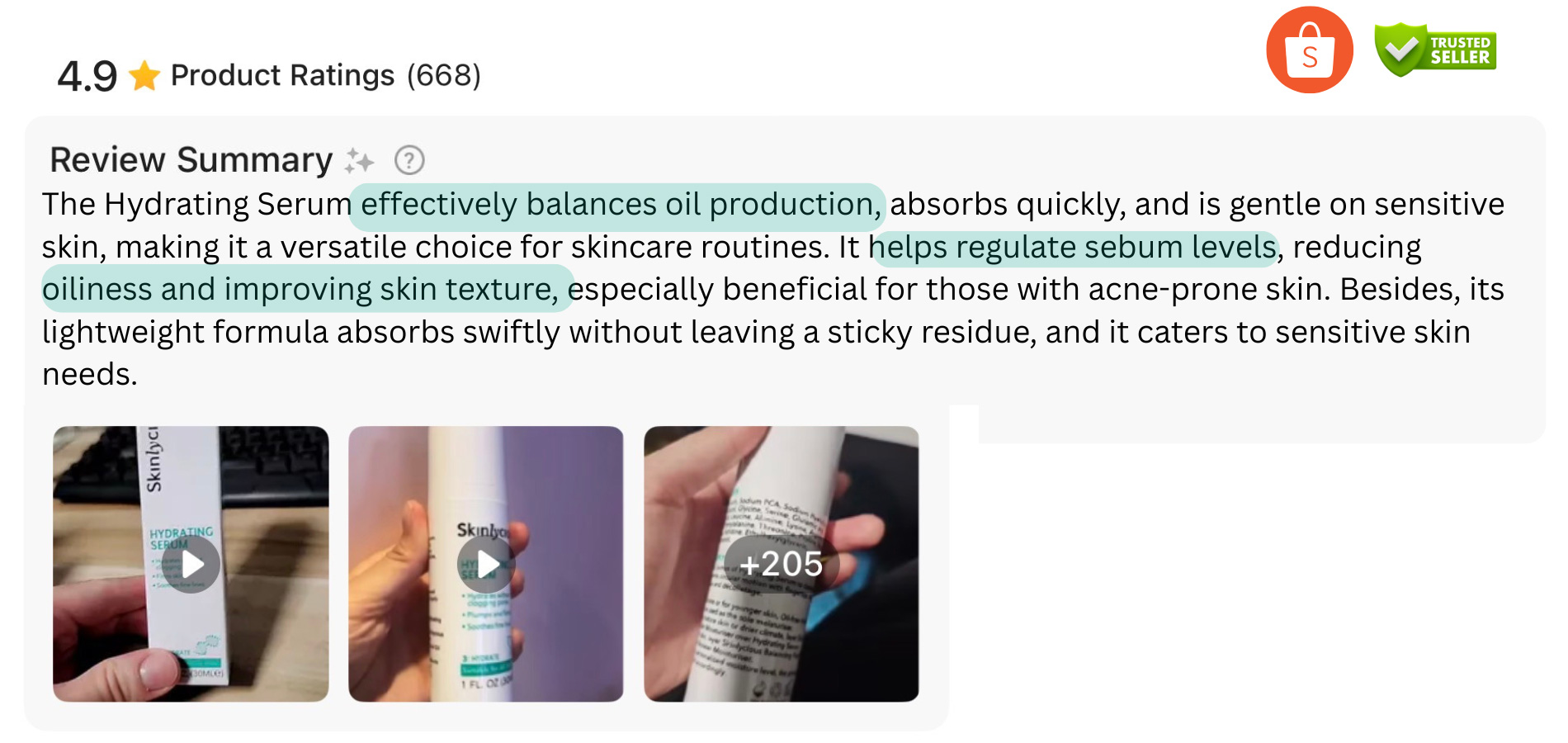
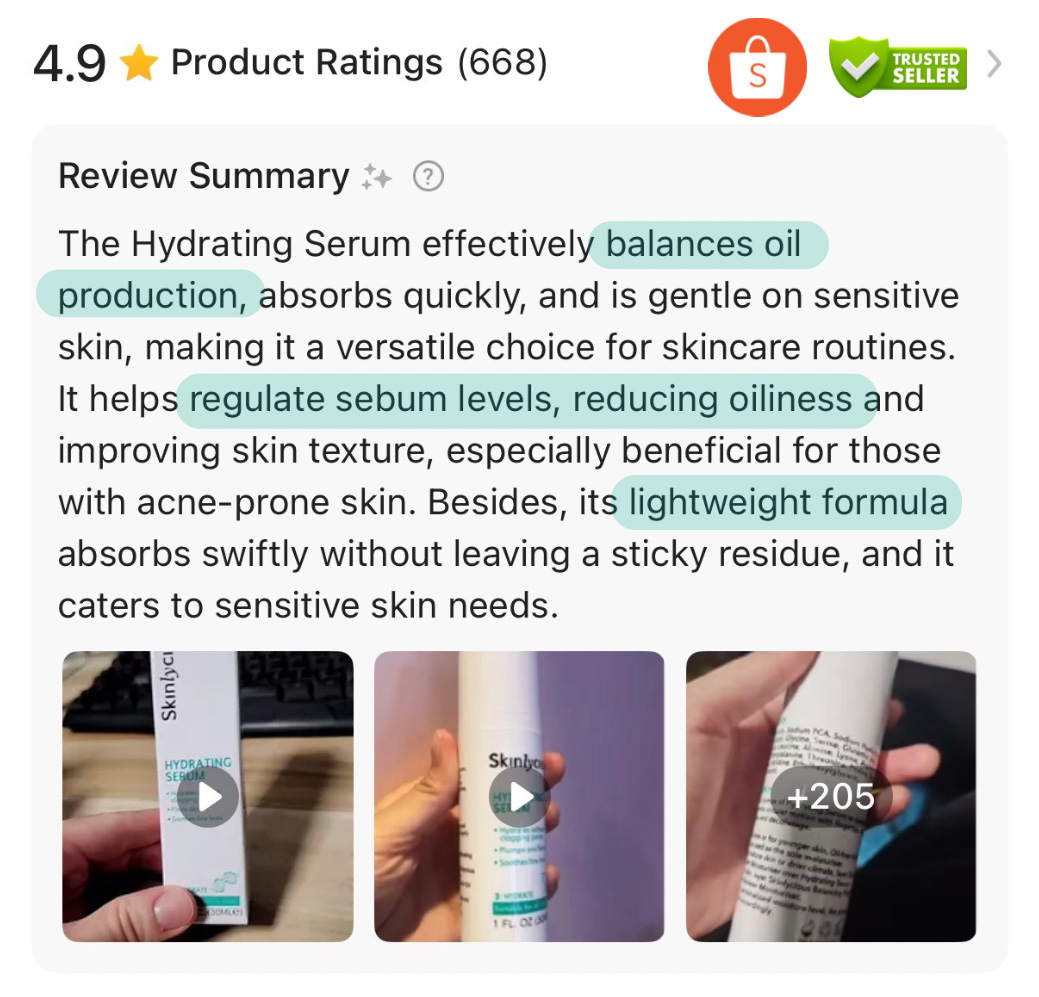
Hydrating Serum (Whole face)
Clarifying Serum (Apply all over; double up on spots or pigmentation areas)
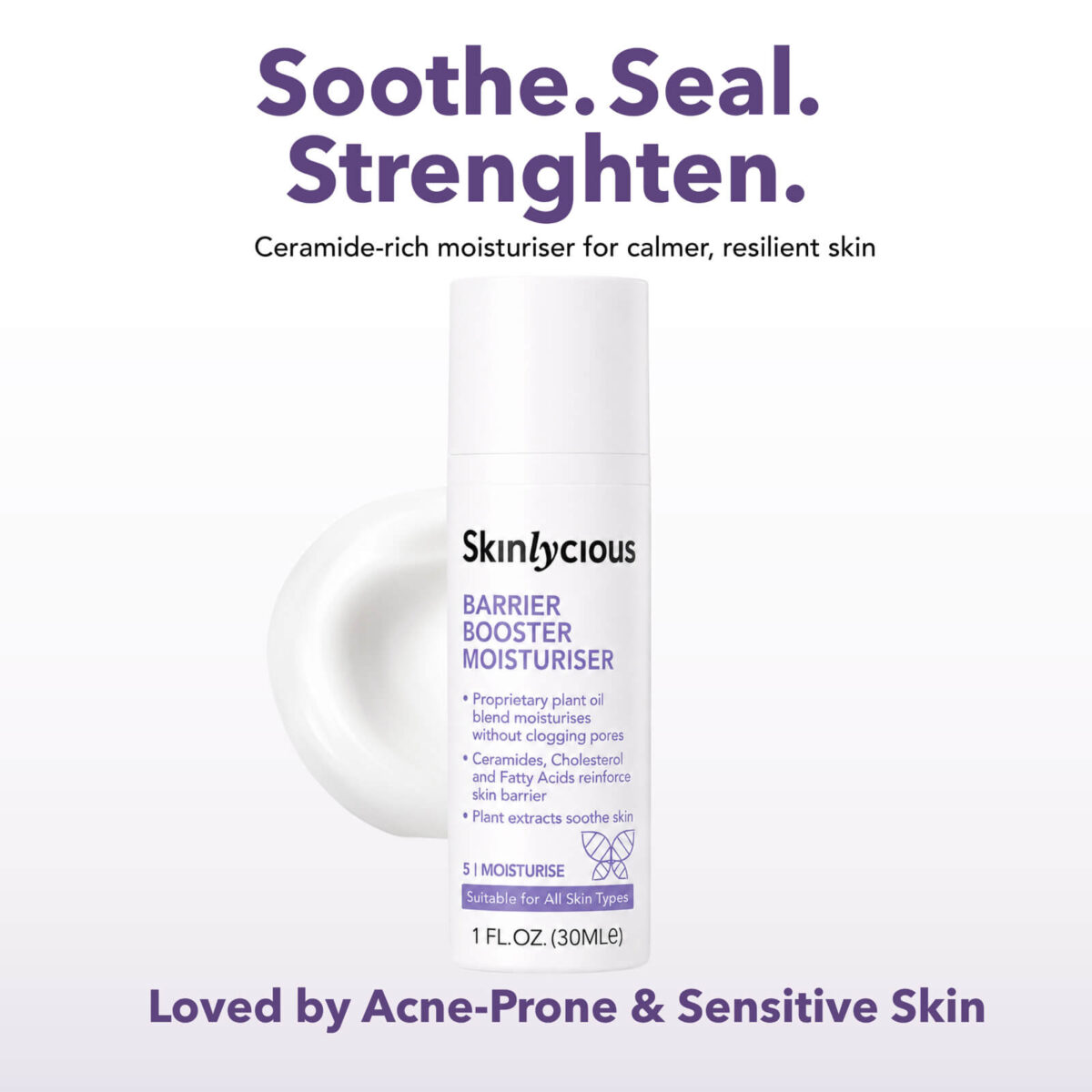
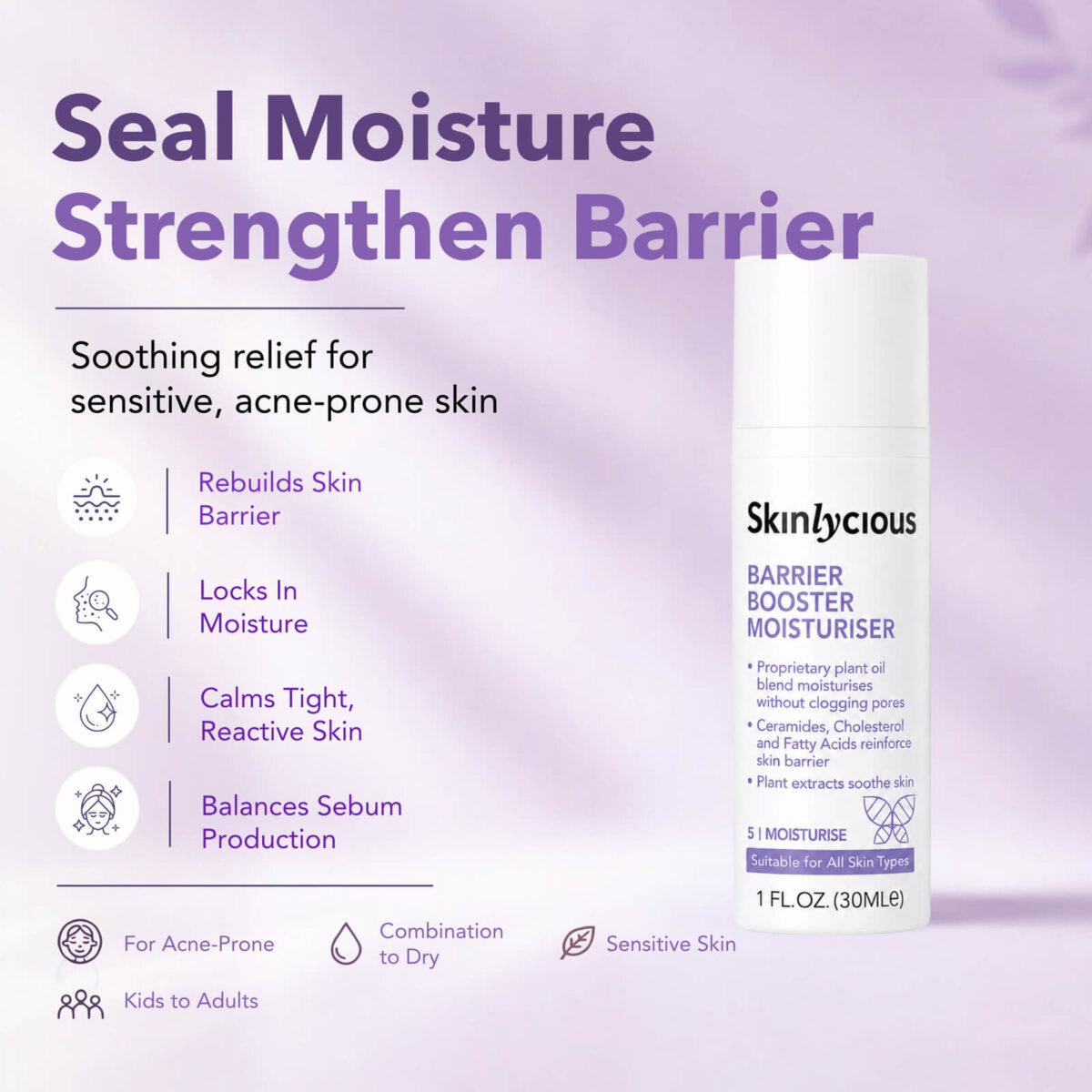
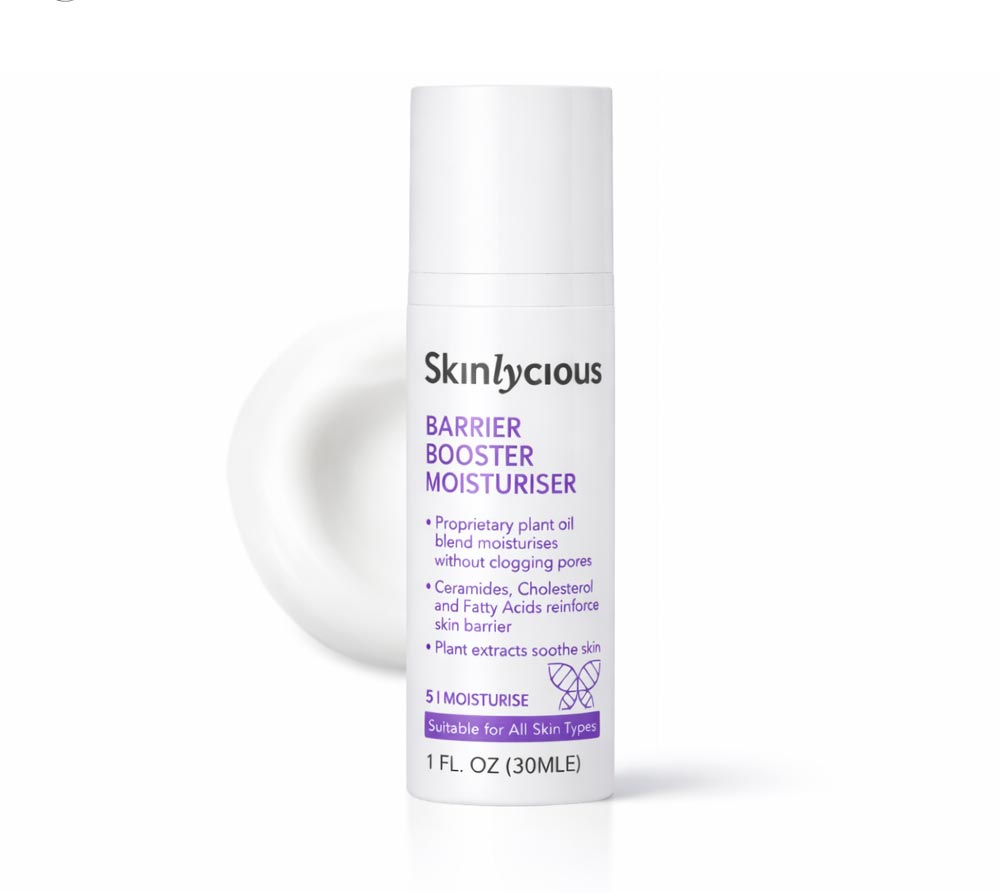
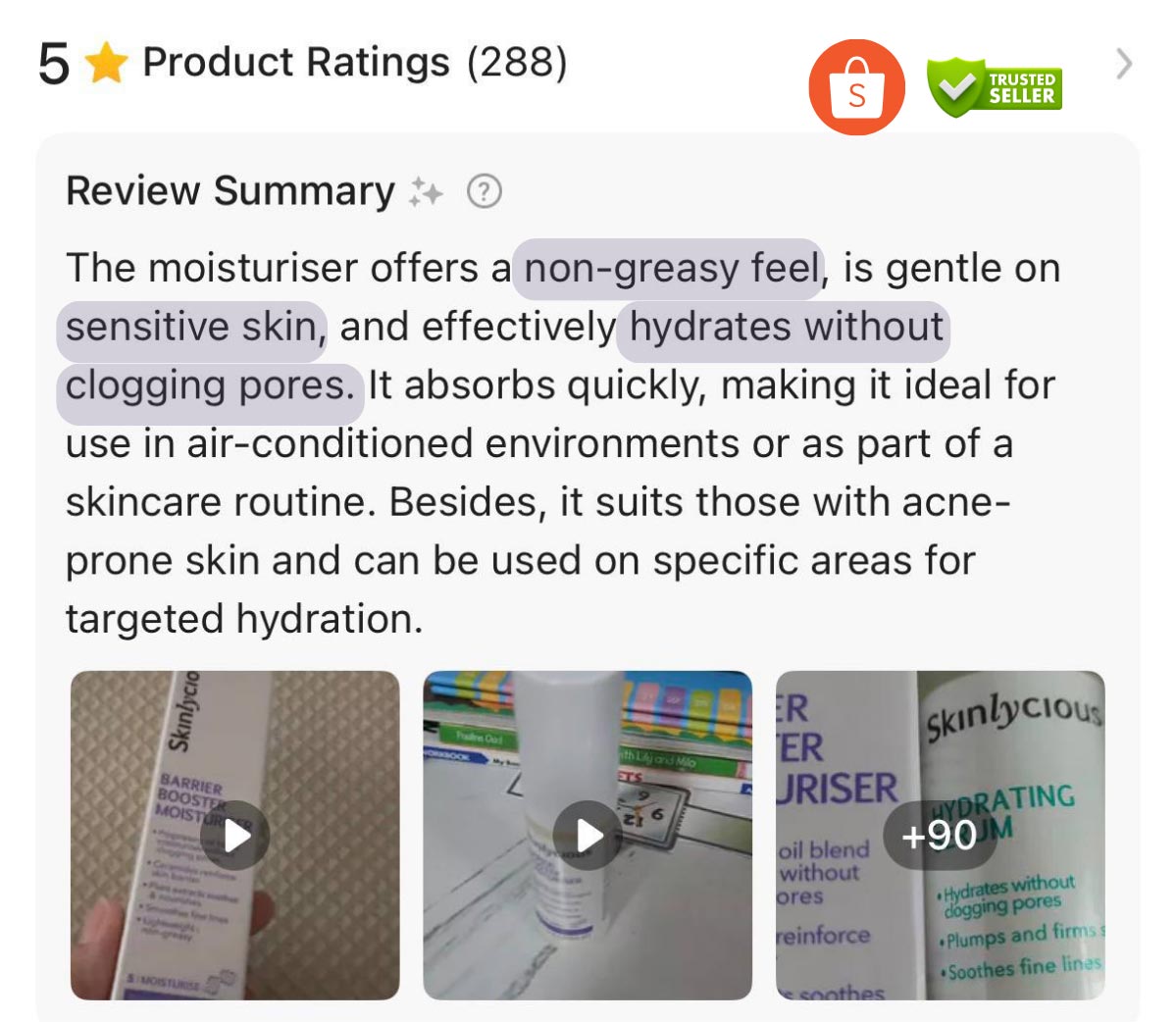
Barrier Booster Moisturiser Apply only on areas that feel tight or dry. Otherwise, skip.
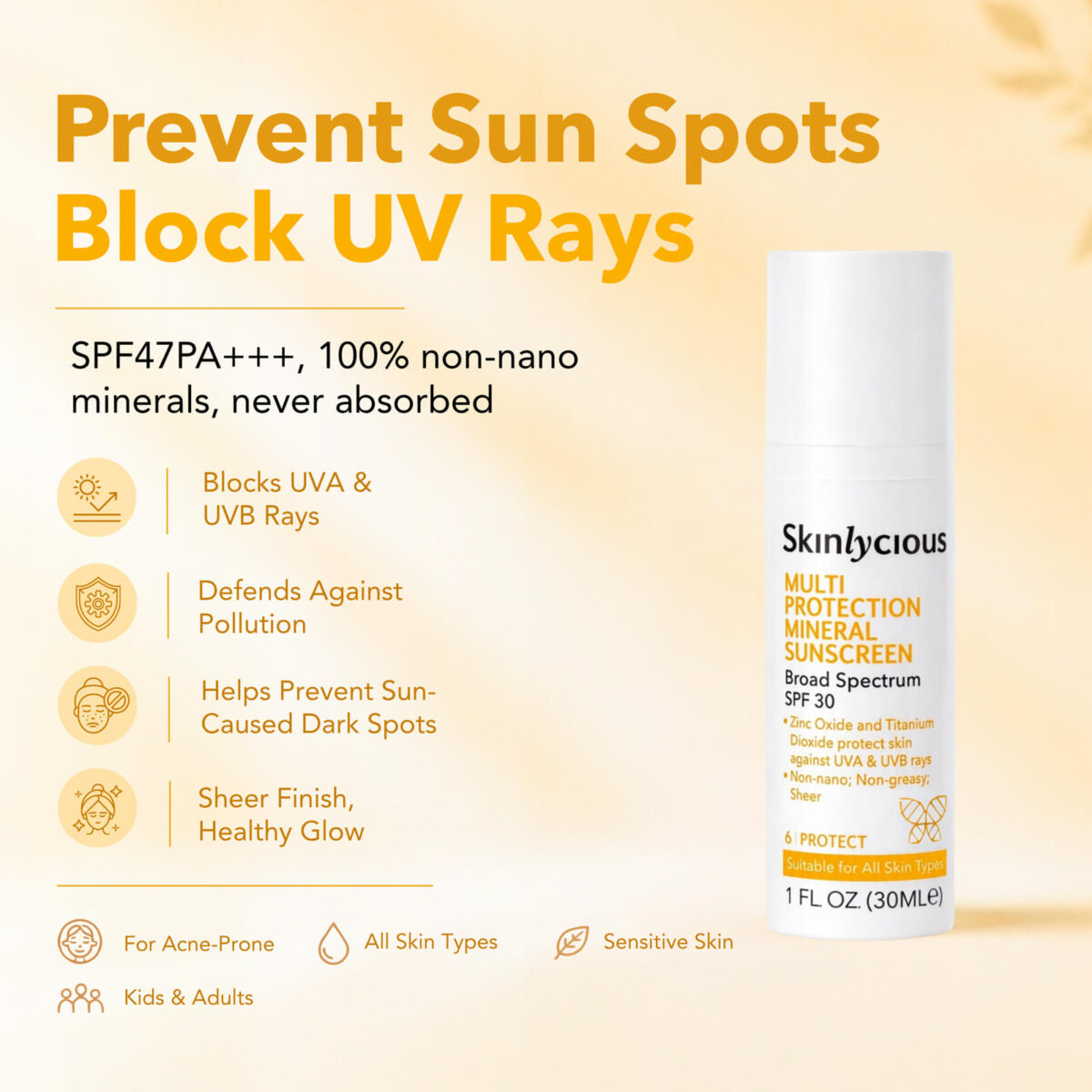
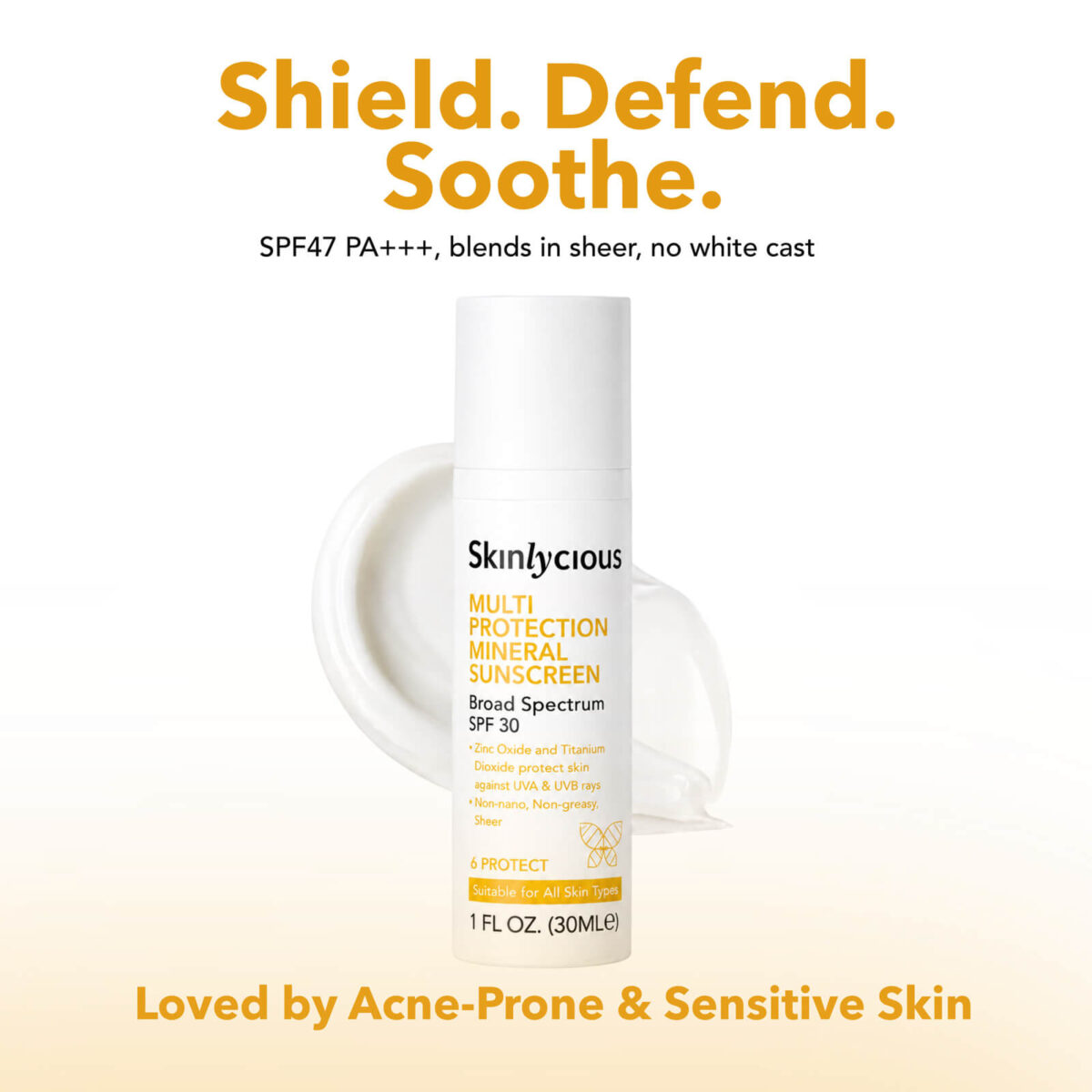
Protect with SPF 47 PA+++ Mineral Sunscreen
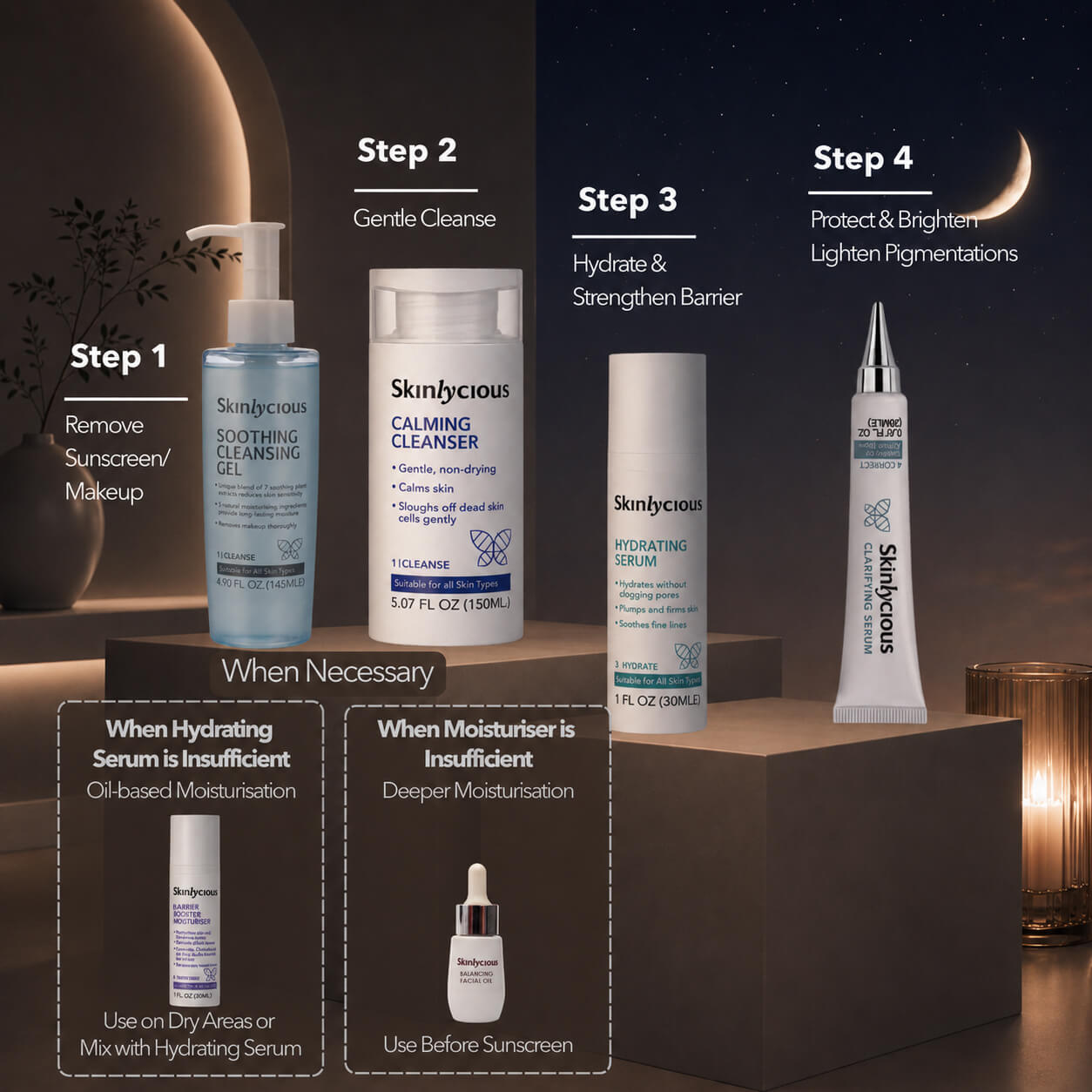
Evening Routine
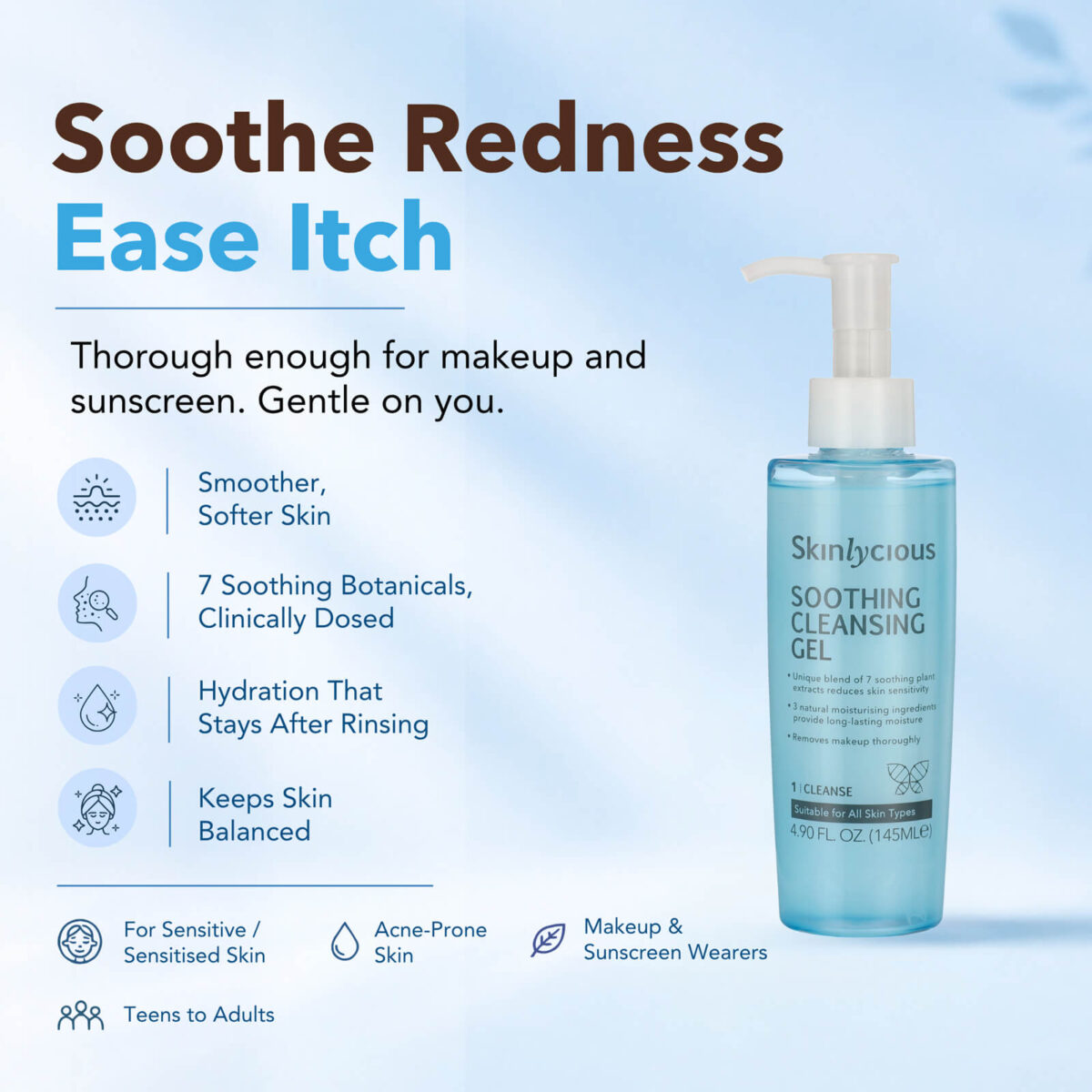
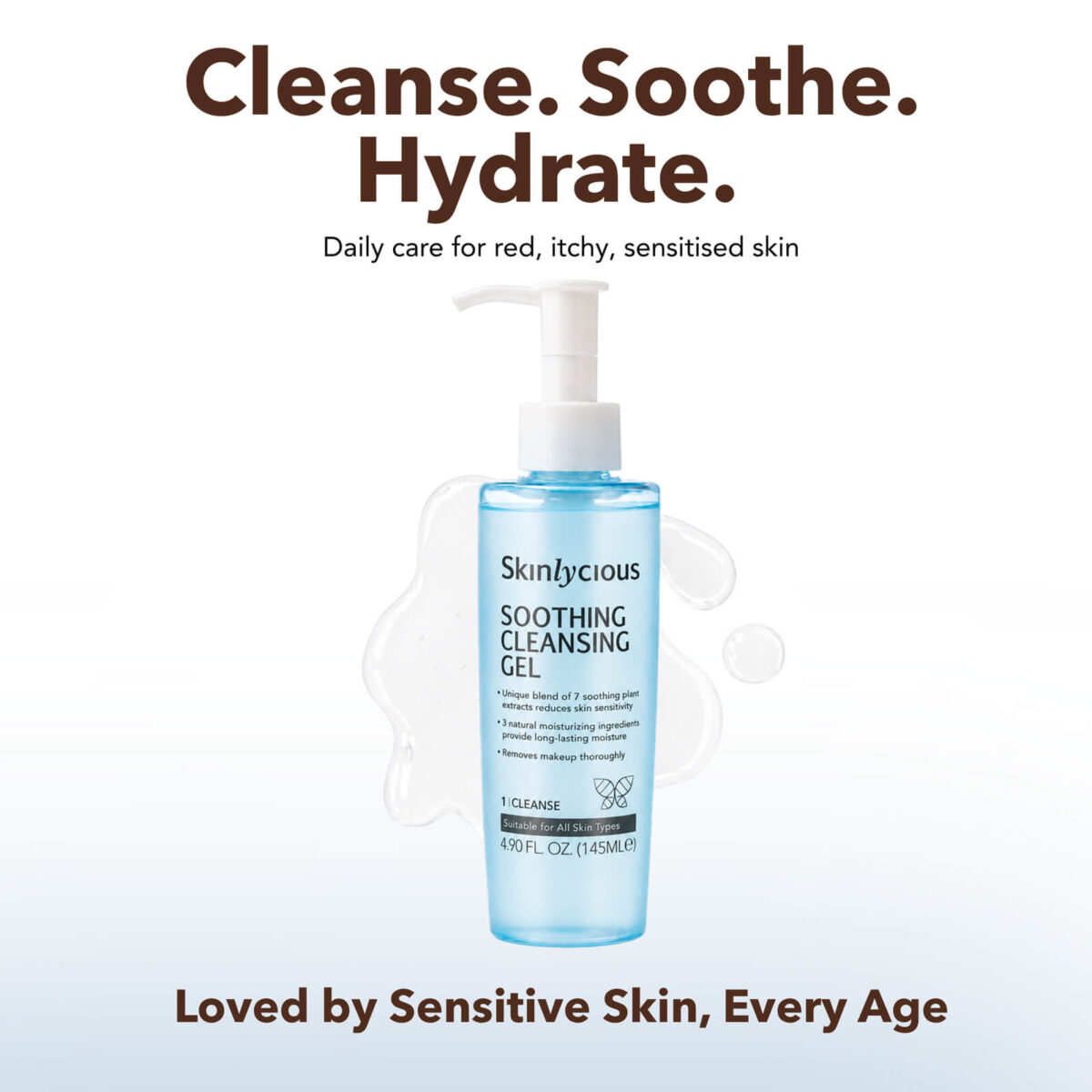
Soothing Cleansing Gel First cleanse with Soothing Cleansing Gel.
Calming Cleanser Second cleanse with Calming Cleanser.
Hydrate with Hydrating Serum
Clarifying Serum Apply all over; double up on spots or pigmentation areas.
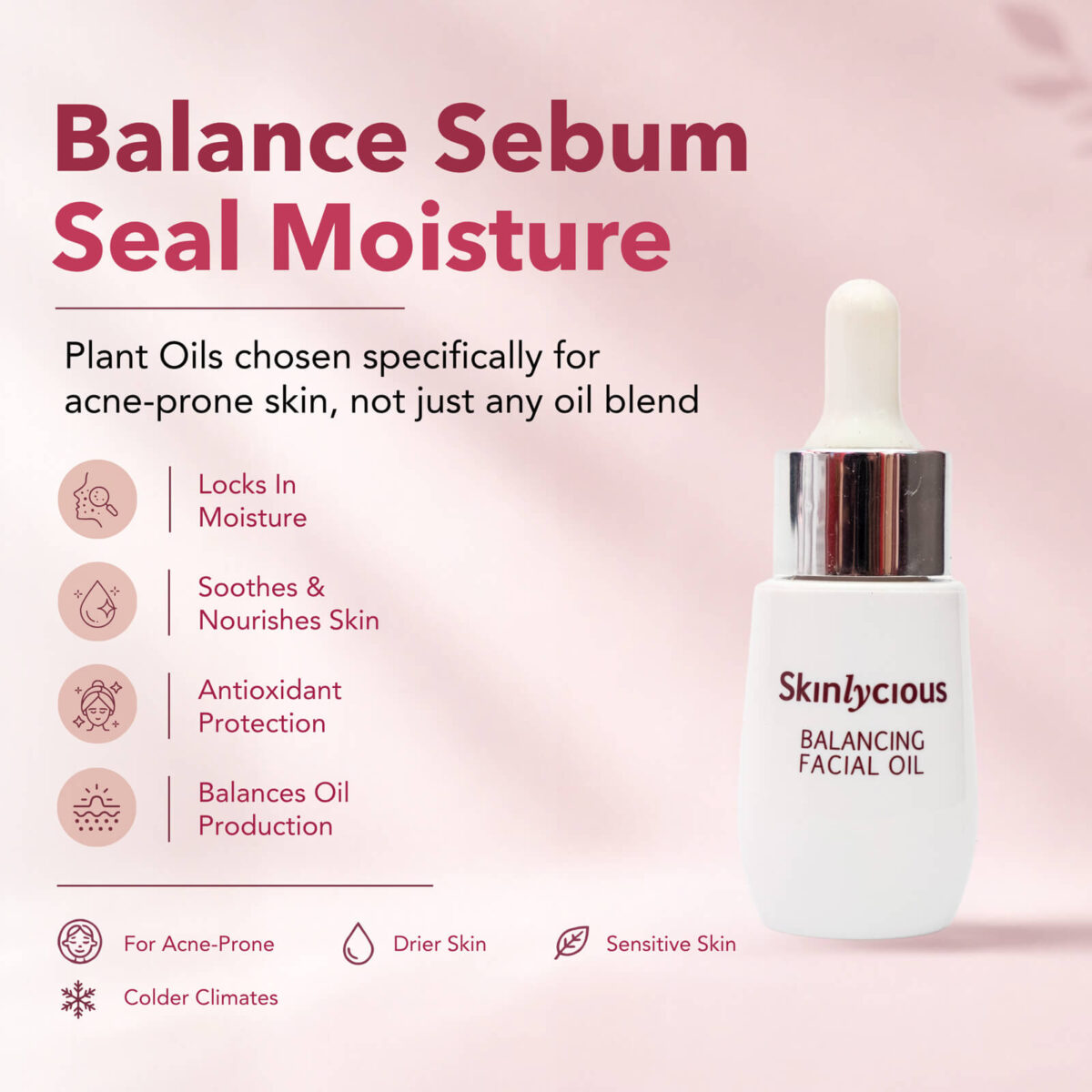
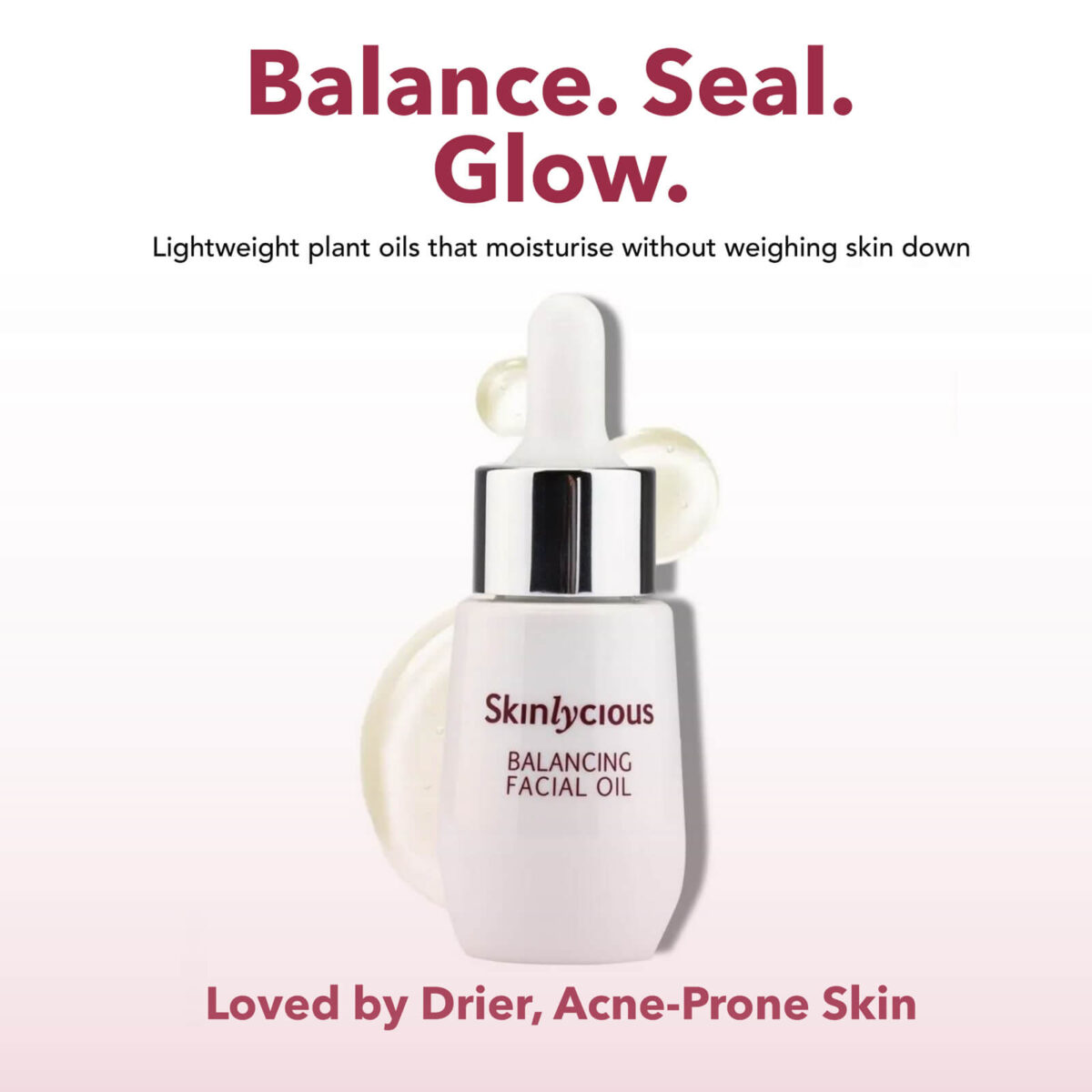
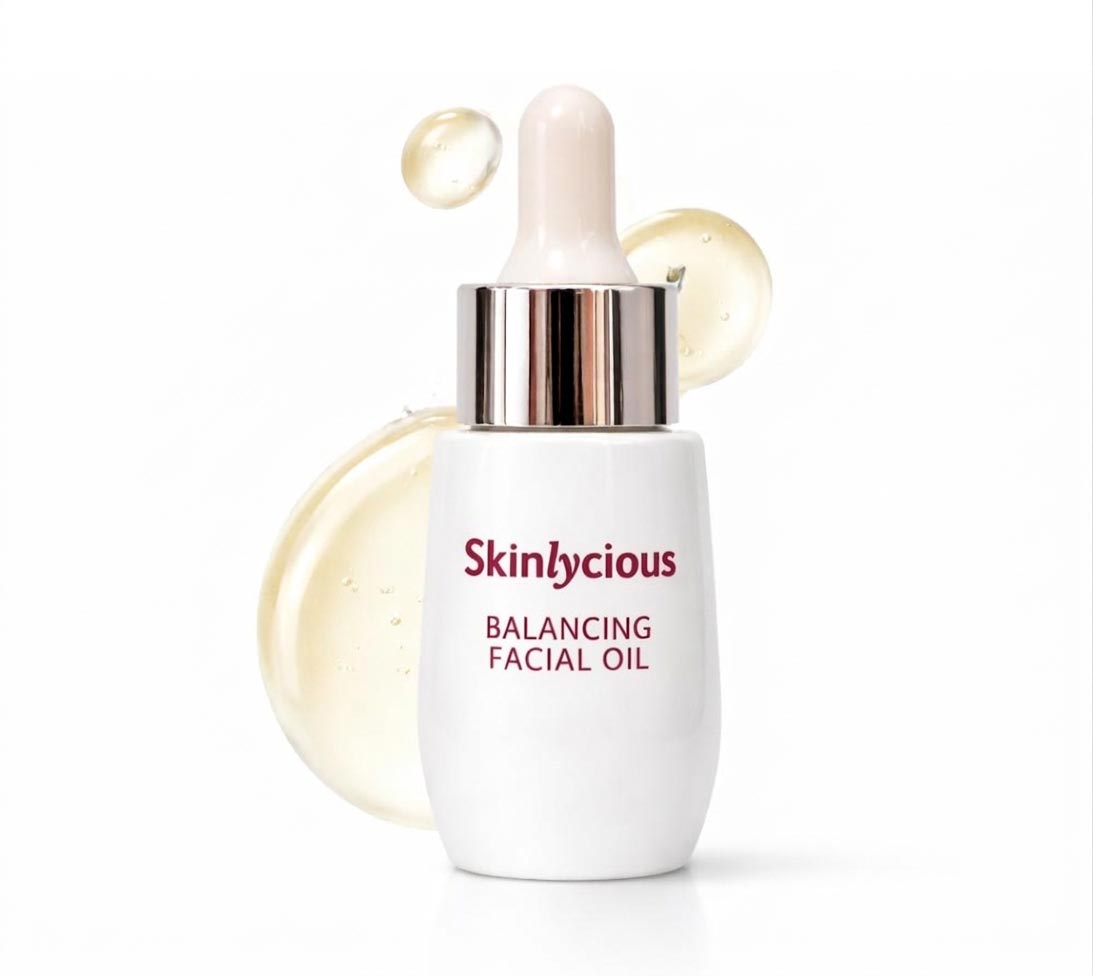
Barrier Booster Moisturiser Apply only on areas that feel tight or dry. If your moisturiser isn’t quite enough, add a few drops of Balancing Facial Oil.
All of these products are free from the ingredients flagged as unsafe during pregnancy, so you can focus on glowing instead of guessing.
After Pregnancy
Reintroducing Glow Exfoliant Post-Partum
Once you have delivered and are no longer breastfeeding, you can reintroduce Glow Exfoliant. Particularly valuable post-partum for fading any melasma or post-acne pigmentation that developed during pregnancy, and for restoring cell turnover. Refer to your age-based routine page.
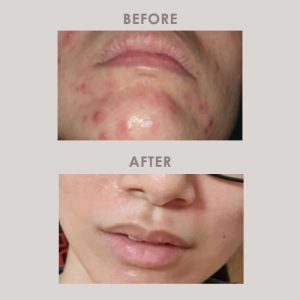
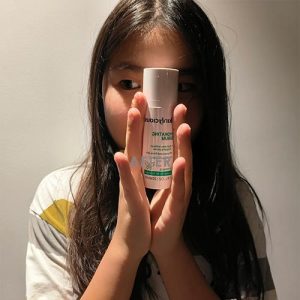
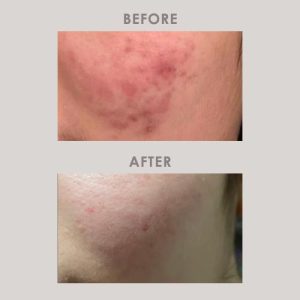
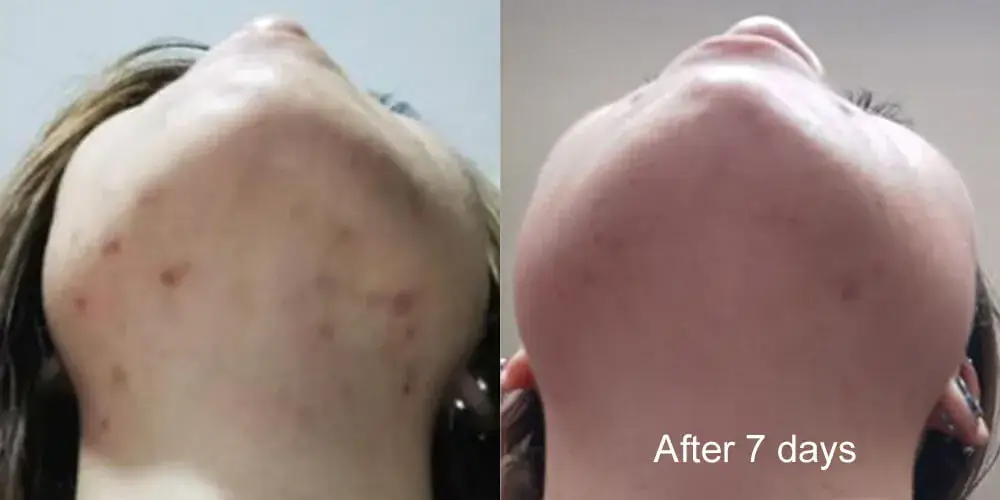
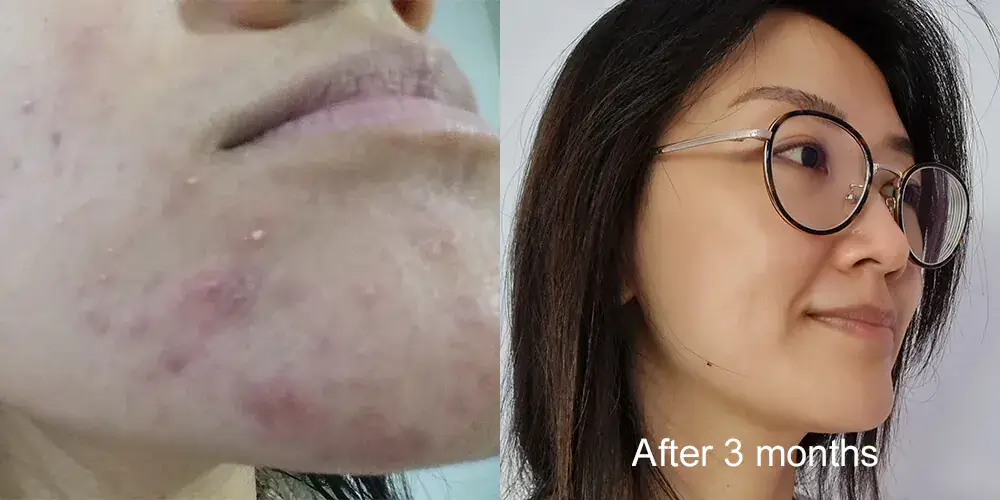
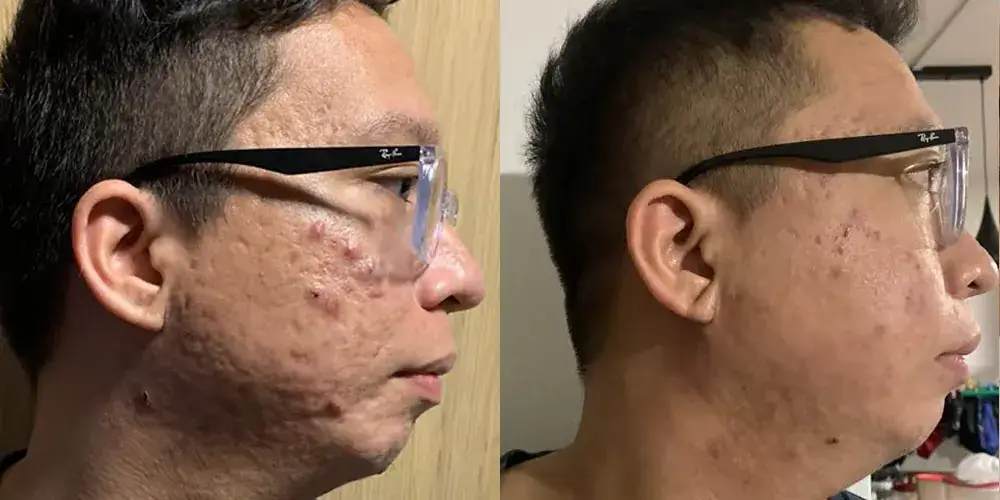
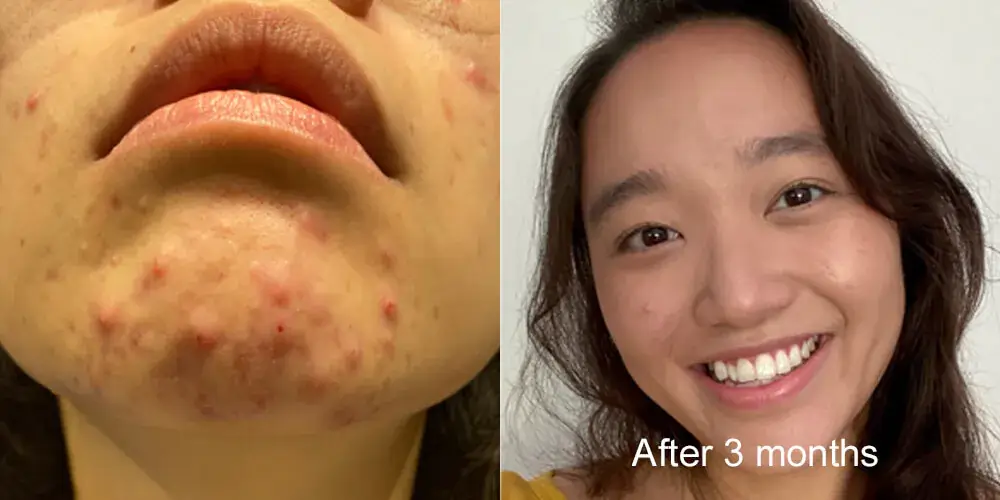
Discover how others with similar skin struggles found their clear skin solution.
Perfect moisturising balance
★★★★★
“Despite having really oily skin, I learned that moisturizing is essential. This Hydrating Serum does exactly the right amount of moisturizing for me without being too much.”
— Andie
See full review on Youtube →
No More Antibiotics
★★★★★
“Struggled with acne since my teens. Antibiotics were expensive and unsustainable. After using the starter kit, my skin was softer and smoother, even my colleagues noticed the improvement!”
— Joanne
See full review on Youtube →
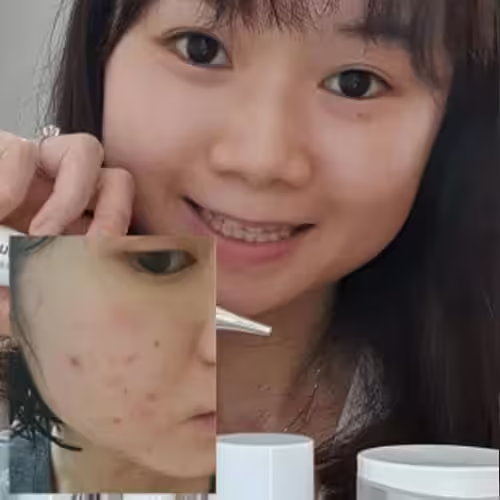
Visible results in weeks
★★★★★
“I started with the Starter Kit and saw a big difference after 2.5 weeks. The Hydrating Serum has been my go-to and actually helps reduce the excess sebum on my face.”
— Vanessa
See full review on Youtube →
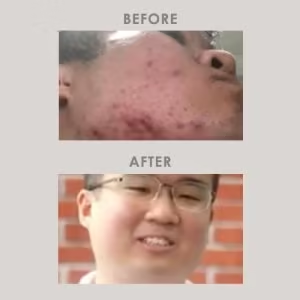
The Acne Veteran
★★★★★
“After years of cystic acne that returned whenever I stopped prescription medications, Skinlycious cleared my skin for good.“
— Jun Qi
See full review on Youtube →
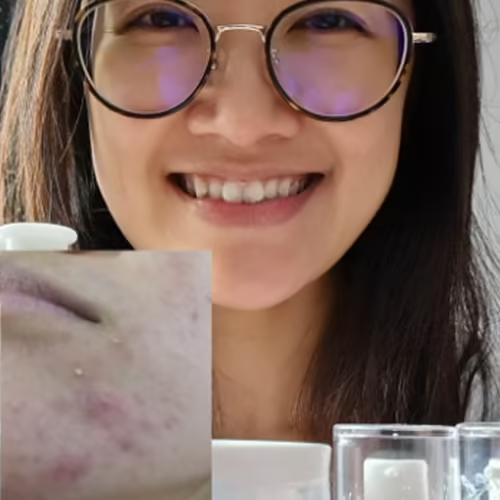
The Sensitive Breakout
★★★★★
“Skinlycious transformed my oily, sensitive, acne-prone skin, controlling oil and reducing redness with gentle, effective results.”
— Irene
See full review on Google →
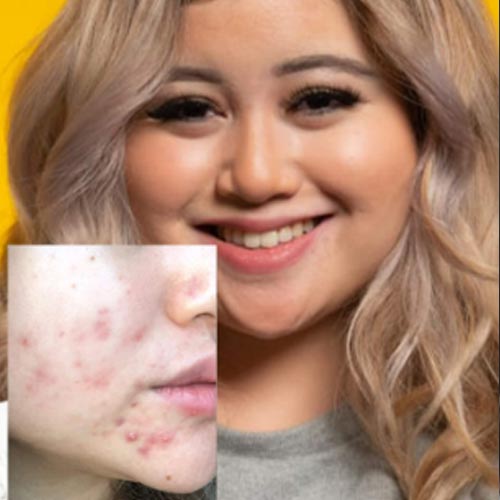
Mummy & Daughter Duo
★★★★★
“After two bundle kits, my skin visibly improved—so impressed that my daughter started using it too. Thank you, Skinlycious“
— Stephy Tang
See full review on Google →
The Teenager Who Keeps Breaking Out
★★★★★
“Skinlycious cleared my daughter’s acne and restored her confidence after professional facials failed”
— Hang Wei Shi
See full review on Google →
Begin Your Clear Skin Journey
Vitamins-based actives (Vit C + Vit B3) safe for pregnancy. Fights acne without peeling or drying. Restores balance, shrinks acne, lightens marks, reduces redness, and regulates oil, all in a pregnancy-safe formulation.
Every moisturiser decision you’ve ever made (too greasy, too heavy, broke me out, not enough) comes down to one thing: the balance between water and oil in your skin.
Your skin needs both. Water keeps cells plump, resilient, and balanced. Oil seals that water in and protects the barrier. When that ratio is right for your skin type, the visible signs of imbalance (rough texture, frequent breakouts, reactive sensitivity) have less reason to show up.
When your skin is low on water:
It overproduces oil to compensate, causing oilier skin, clogged pores, and breakouts. Oily skin is often dehydrated. Dehydrated skin can also flake and become reactive, even if it doesn’t feel dry.
When your skin is low on oil:
It can’t hold onto moisture, regardless of how much you apply. You’ll experience tightness, flaking, itchiness, and a weakened barrier, leaving your skin vulnerable to issues like eczema. This is especially common in cold or dry climates.
Hydrating Serum is your water layer, the essential first step that replenishes hydration in the skin. For oily skin or in humid weather, this alone is often enough. But if your skin needs more, Skinlycious lets you customise.
STEP 1
Hydrating Serum
Adds water into the skin. Enough for most oily skin.
Add-on (if needed)
Barrier Booster Moisturiser
Adds oil. Seals moisture in. Barrier support.
Add-on (if DRY)
Balancing Facial Oil
Adds more oil. Further seals moisture in.
Everyone’s skin has different moisture needs. What works in Singapore’s humidity may not be enough during autumn or winter in colder countries. Start with Hydrating Serum as your water base, then adjust the oil level to what your skin actually needs. Layer or mix in Barrier Booster Moisturiser if your skin feels tight or reactive. Add a few drops of Balancing Facial Oil when you need deeper nourishment. Your perfect moisture balance is yours to customise.
Everyone’s skin has different moisture needs. What works in Singapore’s humidity may not be enough during autumn or winter in colder countries.
Start with Hydrating Serum as your water base, then adjust the oil level to what your skin actually needs
Layer or mix in Barrier Booster Moisturiser if your skin feels tight or reactive. Add a few drops of Balancing Facial Oil when you need deeper nourishment. Your perfect moisture balance is yours to customise.